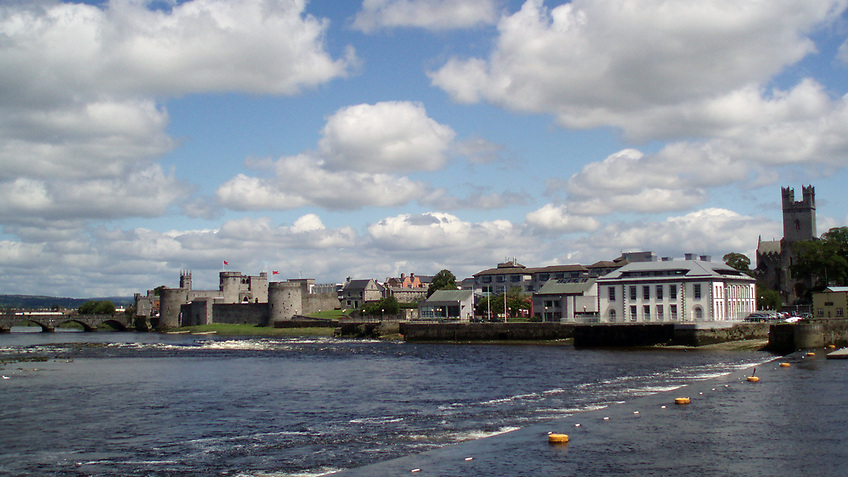
Rowers, kayakers and swimmers have expressed concern about the impact on the river Shannon of Uisce Éireann’s plan to pipe extracted water to the east.
As The Sunday Independent reports, a document sent to Taoiseach Micheál Martin earlier this month by one local group seeking to preserve the Shannon has claimed Uisce Éireann has not adequately considered alternatives to the pipeline plan.
The River Shannon Protection Alliance has argued there are cheaper, environmentally friendlier ways to increase supplies for Dublin and the midlands.
The newspaper interviewed kayaker Phil Ryan, from Ballina, who has already noticed water volumes reducing this summer. She is worried lower river levels could expose kayakers to rocks if they capsize or roll in the water.
“A section of the river from Castleconnell towards Limerick is a natural white water resource, where you usually are guaranteed a good flow but because we had a very dry May and June the water levels dropped. So we had a lot of rocks and stones coming up where we would normally be able to paddle over them. There has been more risk involved,” Ms Ryan said.
It also spoke to Roisin Healy, co-founder of Derg Open Water swim school, who is concerned extractions from the Shannon will see water levels drop at Lough Derg.
This could contribute to increased cases of cyanobacteria, a blue-green algae sometimes found in warm, shallow, undisturbed lake water.
Concerns about lower levels as a result of an extraction project have also been expressed by Cathal Corbett of Castleconnell Boat Club, who has been rowing the river’s southern tributary for 36 years.
Uisce Éireann has said up to two per cent of the long-term annual average flow of water at Parteen will be used to supply Dublin and surrounding areas with drinking water.
It has said that Dublin is currently too reliant on the Liffey as a water resource, and additional supplies are needed to support the development of housing and businesses driven by foreign direct investment.
The scheme originally estimated at over 2 billion euro is now cited at costing over 10 billion euro.
Uisce Éireann intends to submit a planning application this autumn, and funding has been earmarked in the National Development Plan.
Read The Sunday Independent here