






















Menu

Ireland's sailing, boating & maritime magazine

RBC Brewin Dolphin proudly supporting Afloat and Irish Boating

Harland & Wolff Removed From EU List of Approved Ship Recycling Yards

17th March 2026
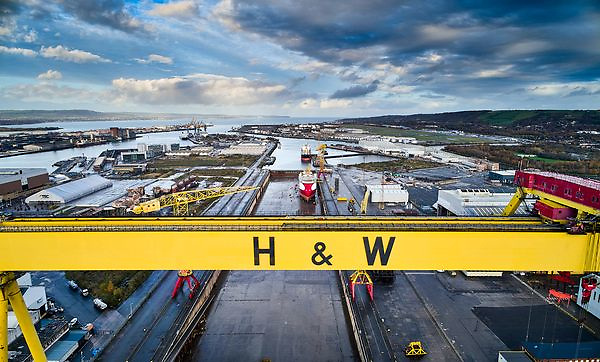
Breaking ranks: Harland & Wolff’s Belfast yard removed from EU-approved ship recycling list, leaving Ireland without a certified facility under strict EU environmental and safety rules
Breaking ranks: Harland & Wolff’s Belfast yard removed from EU-approved ship recycling list, leaving Ireland without a certified facility under strict EU environmental and safety rules Credit: David Cordner

The EU has removed Belfast shipyard Harland & Wolff from its list of approved ship recycling facilities.

As The Currency reports, high environmental and safety standards are set by the EU in relation to yards approved for dismantling and recycling EU-flagged vessels.

Harland & Wolff changed ownership in 2025 after Spanish shipbuilding firm Navantia bought the famous shipyard, and the new owners have committed nearly £100 million (€115 million) to expanding operations.

Under the 2018 EU Ship Recycling Regulation, all large vessels sailing under the flag of an EU member state can only use only the facilities on the approved list.

There is no such facility now on the island of Ireland, The Currency reports.

The updated list includes 41 yards, including 30 in the EU, Britain and Norway, ten in Turkey and one in the US.

Two other shipyards have also been removed from the approved list - one in Finland and the other in Turkey.

Staff working on scrapping ships can be exposed to harmful substances like asbestos, lead and mercury, which can also damage local environments.

The EU recently updated its ship recycling list to include more shipyards in Europe and third countries that meet high standards.

Harland & Wolff was removed from the list as it “failed to provide the necessary information for renewal”, The Currency reports.

The Belfast shipyard’s parent company Navantia UK did not respond to a request for comment, it says.

Read The Currency here (subscription required)

Afloat.ie Team

About The Author

Afloat.ie Team

Email The Author

Afloat.ie is Ireland's dedicated marine journalism team.

Have you got a story for our reporters? Email us here.

We've got a favour to ask

More people are reading Afloat.ie than ever thanks to the power of the internet but we're in stormy seas because advertising revenues across the media are falling fast. Unlike many news sites, we haven't put up a paywall because we want to keep our marine journalism open.

Afloat.ie is Ireland's only full-time marine journalism team and it takes time, money and hard work to produce our content.

So you can see why we need to ask for your help.

If everyone chipped in, we can enhance our coverage and our future would be more secure. You can help us through a small donation. Thank you.

Direct Donation to Afloat button

Shipyards

Afloat will be focusing on news and developments of shipyards with newbuilds taking shape on either slipways and building halls.

The common practice of shipbuilding using modular construction, requires several yards make specific block sections that are towed to a single designated yard and joined together to complete the ship before been launched or floated out.

In addition, outfitting quays is where internal work on electrical and passenger facilities is installed (or upgraded if the ship is already in service). This work may involve newbuilds towed to another specialist yard, before the newbuild is completed as a new ship or of the same class, designed from the shipyard 'in-house' or from a naval architect consultancy. Shipyards also carry out repair and maintenance, overhaul, refit, survey, and conversion, for example, the addition or removal of cabins within a superstructure. All this requires ships to enter graving /dry-docks or floating drydocks, to enable access to the entire vessel out of the water.

Asides from shipbuilding, marine engineering projects such as offshore installations take place and others have diversified in the construction of offshore renewable projects, from wind-turbines and related tower structures. When ships are decommissioned and need to be disposed of, some yards have recycling facilities to segregate materials, though other vessels are run ashore, i.e. 'beached' and broken up there on site. The scrapped metal can be sold and made into other items.